Death
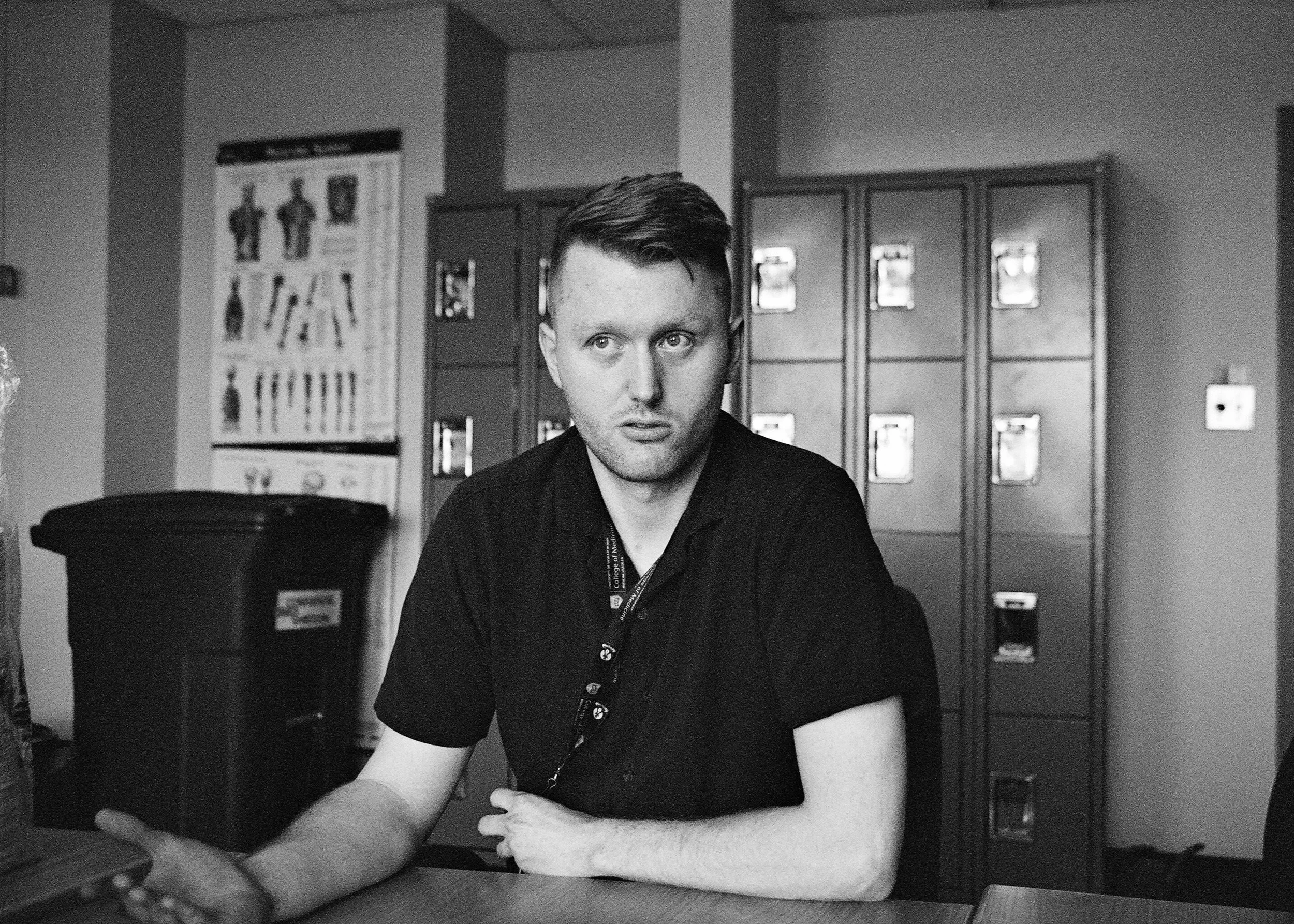
His Favourite Place
“The weather was beautiful. You truly couldn’t have asked for a more perfect day. ”
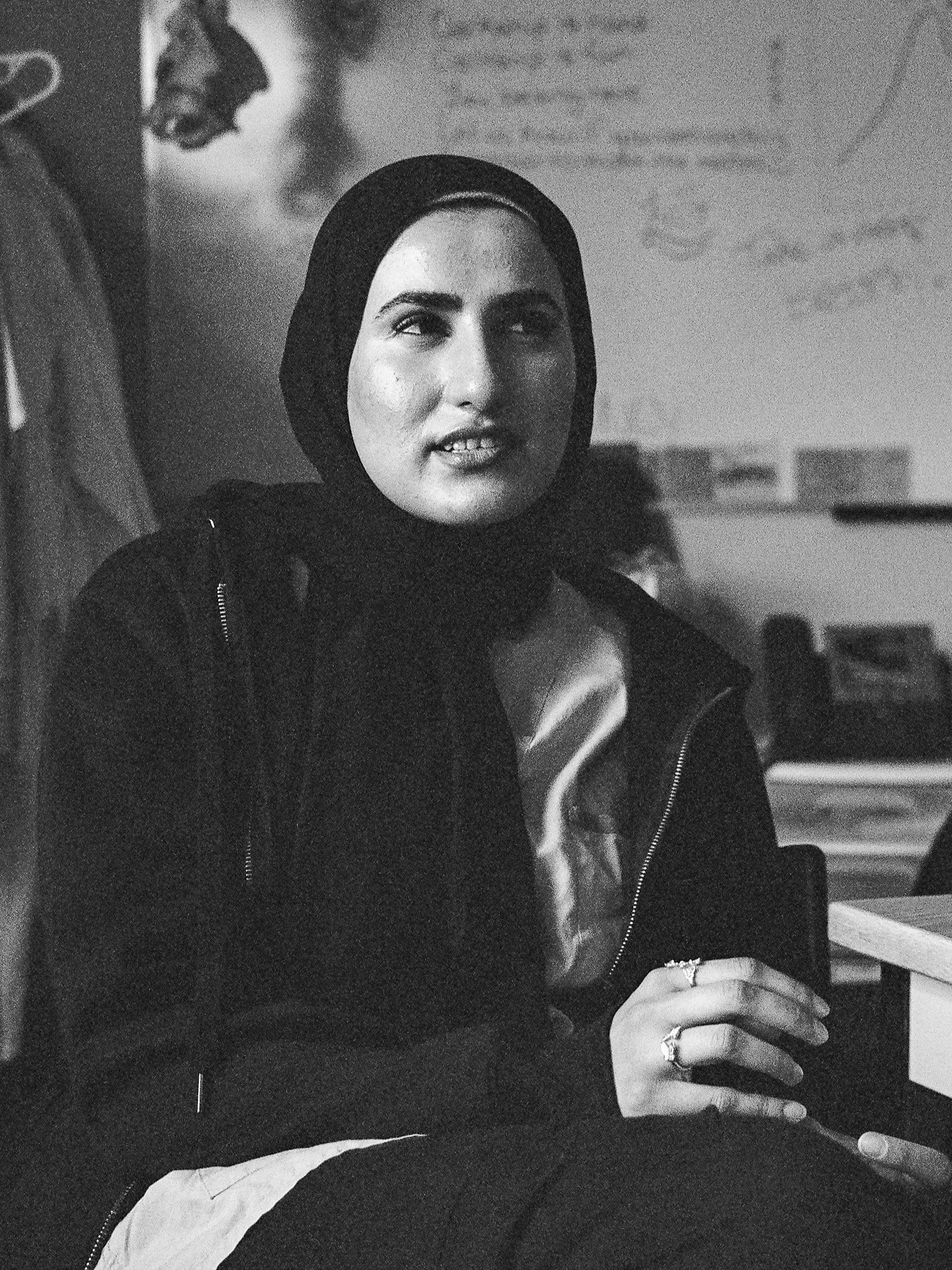
My story is from my time on a rural family medicine rotation. I was invited to be a part of a patient's MAiD procedure.
They had already been confirmed eligible, and they were going through with the procedure. I went with this family doctor and he's one of the few doctors in rural Saskatchewan who performs MAiD, and quite passionate about it. The patient had opted to do it at their own home, so we drove up to their house. We get there and it's the patient and their wife. I was expecting to go into this appointment to see someone who was on essentially their deathbed. But instead, I met a slightly older man who was probably in his sixties and looked really well. They told us a little bit about why they're having it done, for his concerns over the progression of his dementia. The patient didn't want to lose their cognitive ability, and they were starting to notice some signs of it. He started to notice some differences in his ability to think through things and was forgetful and he decided that it was time for him to have control over that. He spoke well and had no obvious signs of disease. You wouldn't be able to tell him apart on the street from another person his age. I was taken aback when he told me the story of his illness and what led him to being here. He wanted to have control over how he passed as well as maintain dignity through the remaining time of his life. He and his wife discussed time and time again whether they wanted to go through with MAiD, and when the time came, they wanted to do it in their favorite place. Every day, they talked about how they would sit on their porch in their garden and just kind of enjoy their afternoon together. So, they decided that this would be the most beautiful place for them to go through with it.
We sat with them in their backyard. They gave us this little nice card saying thank you for being part of our day. And then they told us life lessons, how they made their marriage work, how they made life work for the last many, many years, and gave us their life story of how they got to this point. We chatted with them for two hours, almost like a little coffee date. You wouldn't have known that this was the last couple hours of this person's life. It honestly slipped my mind. Then there was a little lull in the conversation, and all the while the family doctor was getting everything ready in the background. There was a pause where there was some questioning of whether they're ready to go through with this after having such a lovely afternoon. The weather was beautiful. You truly couldn't have asked for a more perfect day. We sat there while they kind of contemplated whether this was what they wanted, whether this was the right time for it, and then they decided yes. “There's no time like the present,” I think is what he said. They slowly started getting everything ready, and then slowly started giving the sedatives. We kept chatting while it was all happening. He kept telling us about things, and he thanked us again and again for coming to hang out with him on his last day. Then we decided to step back a little bit and give him and his wife privacy as they administered everything. It was like he slowly had a nap and kind of fell asleep in his wife’s arms. I remember him and his wife saying something to one another along the lines of, “Thank you for always being there for me.” There was something very loving between him and his wife. Over time, his breathing became slower and slower, and then eventually he passed. He and his wife sat there for 10-20 minutes, just kind of together, and she was brushing his hair. She didn’t seem to have any sadness because they got a very easy transition, the way they wanted, when they wanted it, and where they wanted it. They had full control and autonomy over how they would approach that final journey.
I’ve always appreciated MAiD, and I think it's something that any person with a chronic illness should have access to if they're eligible. To finally see it in practice, it really reaffirmed that it was quite a dignified and controlled way to pass away. This was the first time I've seen a person die in a healthcare situation, so that felt like a very memorable and beautiful first experience. It was quite a privilege for them to say yes to this med student being there, and then to take it a step further and involve me so intimately and tell me all these lovely stories of their life. You don't often get to see every step of someone's passing, but for him, I saw him when he was healthy, then kind of every step through it as he slowly passed. That part itself was kind of scary, but it was more so just really sweet and very—I don't know how to describe it. It’s hard to describe without experiencing it. I felt a little sad for the wife because it was a big thing for her as well, but at the same time I could feel how much his journey through healthcare had impacted them both and the difficulty of managing a chronic illness so I felt like there was a sense of happiness with how things had gone.
More Conversations in TCL
-
![]()
“We’re trying to save lives. Sometimes you just can't do that.”
-
![]()
“We’re in a failing system.”
-
![]()
“I remember hearing her scream.”
-
![]()
“It was sad to see what he knew to be true was slipping away.”
-
![]()
“We would talk about coffee shops, and the vampire diaries, and just normal mundane teenager things.”
-
![]()
“She introduced me to her daughter and said, ‘This is my friend. He’s been listening and helping so much.’”
-
![]()
“If we're grieving someone, that means that there was a connection there.”
-
![]()
“The weather was beautiful. You truly couldn't have asked for a more perfect day.”
-
![]()
“It felt so weird to be stitching him back up when all he wanted was to leave this world".”
-
![]()
“I didn’t realize how slippery babies were.”
-
![]()
“After all the textbooks, after all the knowledge, there will always be unpredictable things.”
-
![]()
“It’s amazing and barbaric at the same time.”
-
![]()
“Parents are good advocates and just know their children best.”
-
![]()
“Continuity of care allows us to be part of someone's history.”