Empowerment
A Mother’s Love
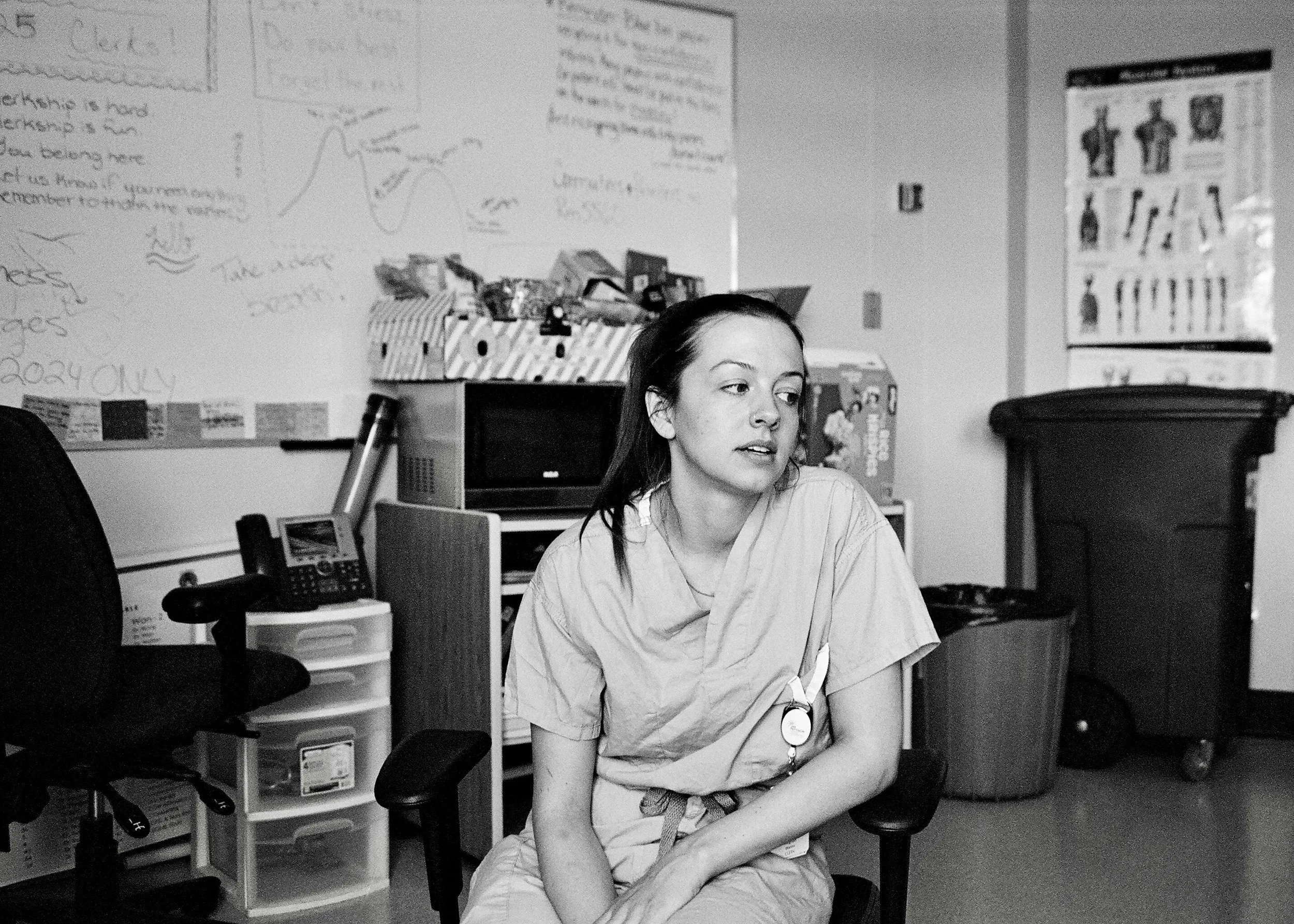
“Parents are good advocates and just know their children best.”
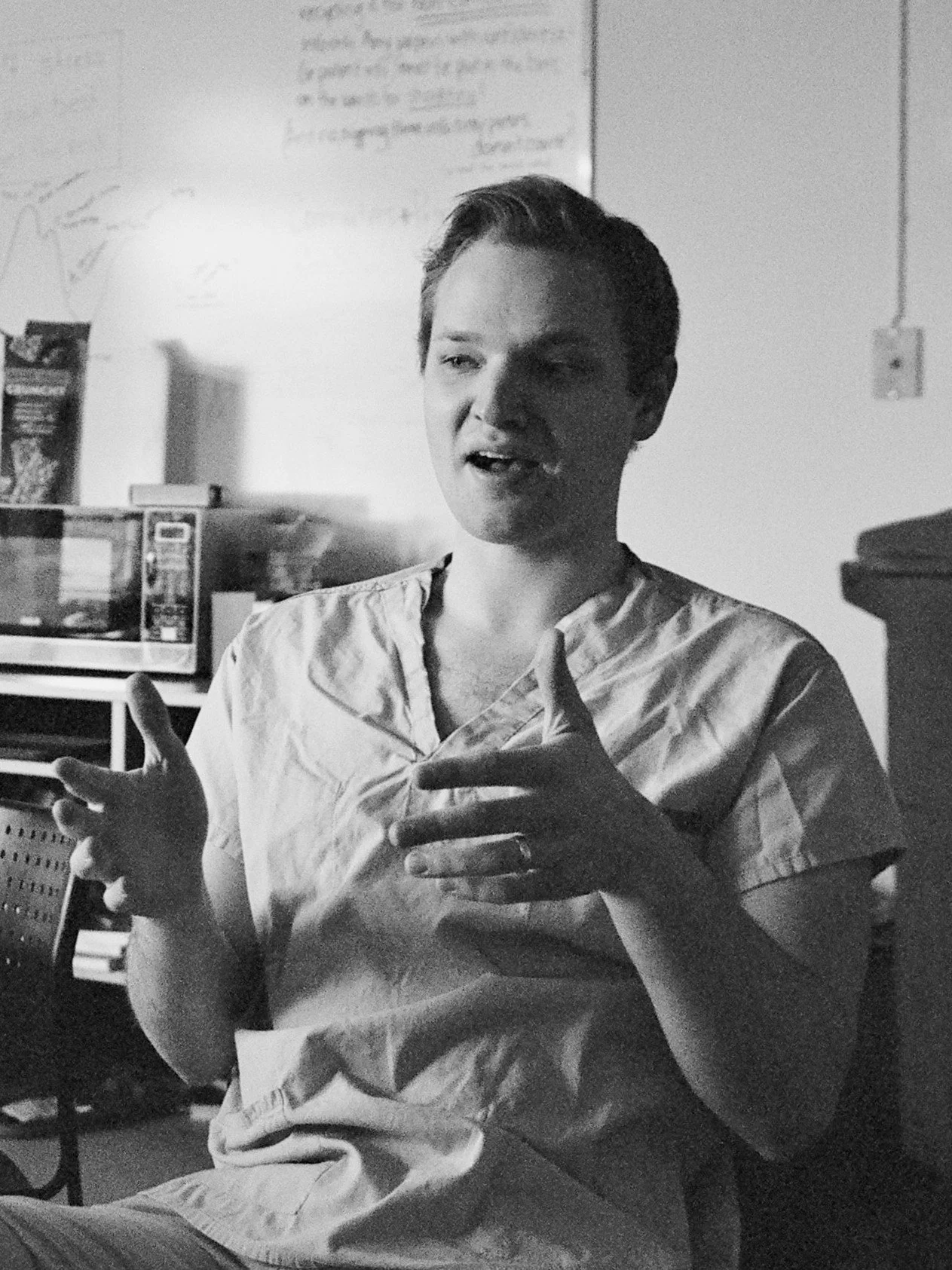
She had his crib setup because she just stayed there 24/7. Honestly, I don't even know how much she left. Every time I went in the room she was there, or she was down getting coffee or breakfast and the nurse would tell me that she'll be back shortly. It taught me that parents are good advocates and just know their children best.
Another patient that stuck with me was in a family medicine clinic. A middle-aged woman came in because she said she needed something to help her anxiety which was was getting too overwhelming. That was the surface level and then we gradually got into it more and she started talking about some conflicts at work and people not being very kind and pretty degrading. Yeah, just not a great work environment. She was feeling a lot of like stress and anxiety everyday going into work and she couldn’t take some time off from work. We started talking more and more, and there was just one thing after thing that came up that she was going through. I’m thinking, “No wonder you're anxious and sad, you have so many things going on.” Then eventually, she talked about losing her mom two weeks ago. She was super close with her mom and that was really upsetting her. She came in just saying she was anxious, and she wasn't even going to tell me any of these other things. There was just so much going on with her to contribute to her situation below the surface. I wouldn't have ever guessed that because she could put on a pretty good face.
How do you think both of these instances are going to impact your practice as a physician going forward?
For the first patient, I think what impacted me the most was seeing just how involved the mom was in his care because she was always at the hospital while everyone else in their family at home. It takes so much to do that. The second encounter was so impactful because she had a lot of resilience. It’s important to be comfortable asking questions that can be hard for patients to being up. Also remembering that there's likely a lot more going on beneath the surface that they're not telling us, and so not be quick to judge their situations and giving them like the benefit of the doubt.
On my inpatient peds rotation, there was a little boy who has a number of conditions. He just wasn't doing well and was in and out of the hospital. When I saw him, he had already been admitted for a week or so and he was there for my entire rotation. His mom was a superstar and did all of his care at home. I took care of him for a few weeks and would go to check on them in the morning and she would give me a full nursing report and tell me what needed to be done. She had a two- or three-month-old baby as well who was in the room with them.
More Conversations in TCL
-
![]()
“We’re trying to save lives. Sometimes you just can't do that.”
-
![]()
“We’re in a failing system.”
-
![]()
“I remember hearing her scream.”
-
![]()
“It was sad to see what he knew to be true was slipping away.”
-
![]()
“We would talk about coffee shops, and the vampire diaries, and just normal mundane teenager things.”
-
![]()
“She introduced me to her daughter and said, ‘This is my friend. He’s been listening and helping so much.’”
-
![]()
“If we're grieving someone, that means that there was a connection there.”
-
![]()
“The weather was beautiful. You truly couldn't have asked for a more perfect day.”
-
![]()
“It felt so weird to be stitching him back up when all he wanted was to leave this world".”
-
![]()
“I didn’t realize how slippery babies were.”
-
![]()
“After all the textbooks, after all the knowledge, there will always be unpredictable things.”
-
![]()
“It’s amazing and barbaric at the same time.”
-
![]()
“Parents are good advocates and just know their children best.”
-
![]()
“Continuity of care allows us to be part of someone's history.”