Empowerment
All of Their Stories
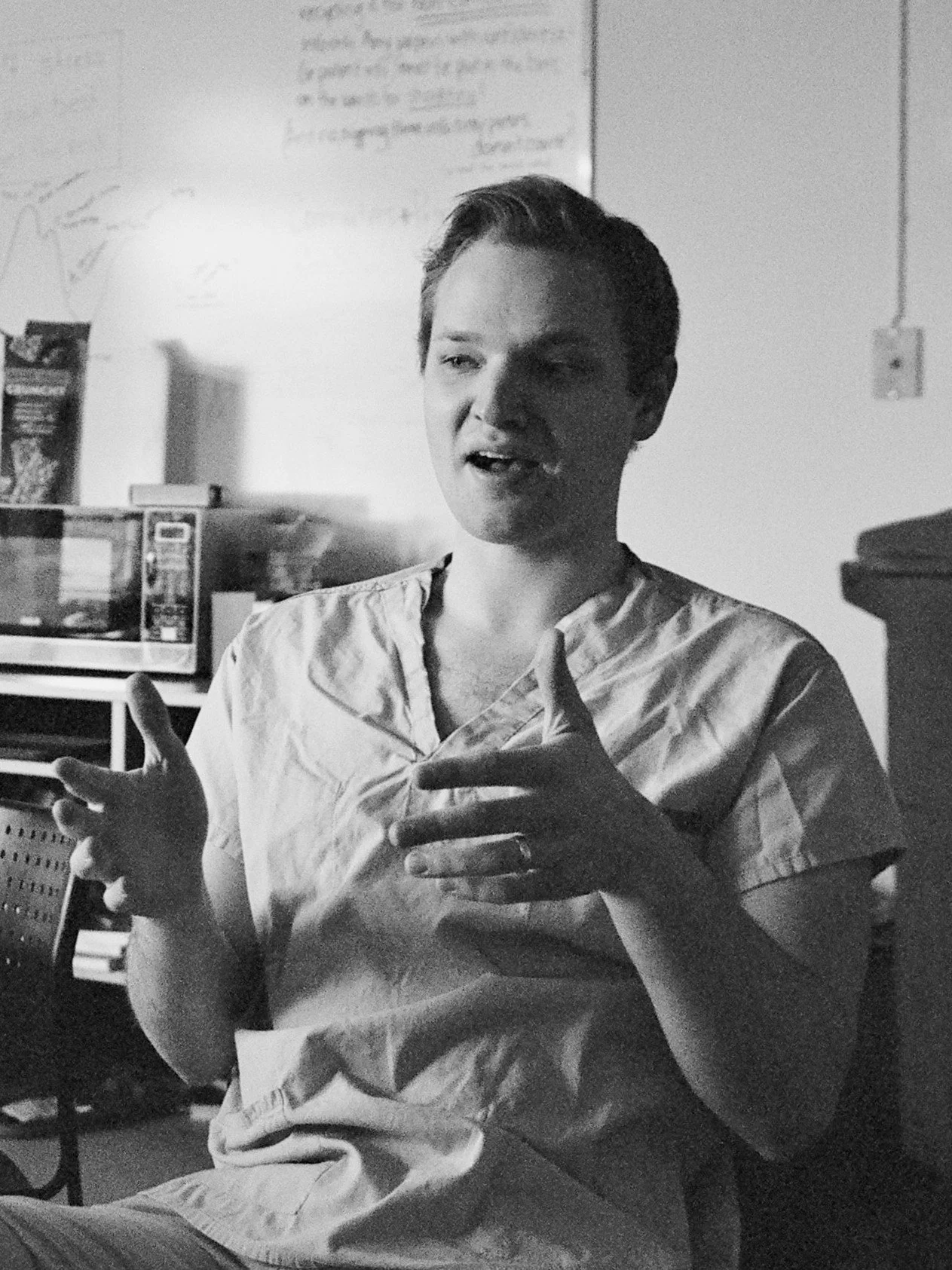
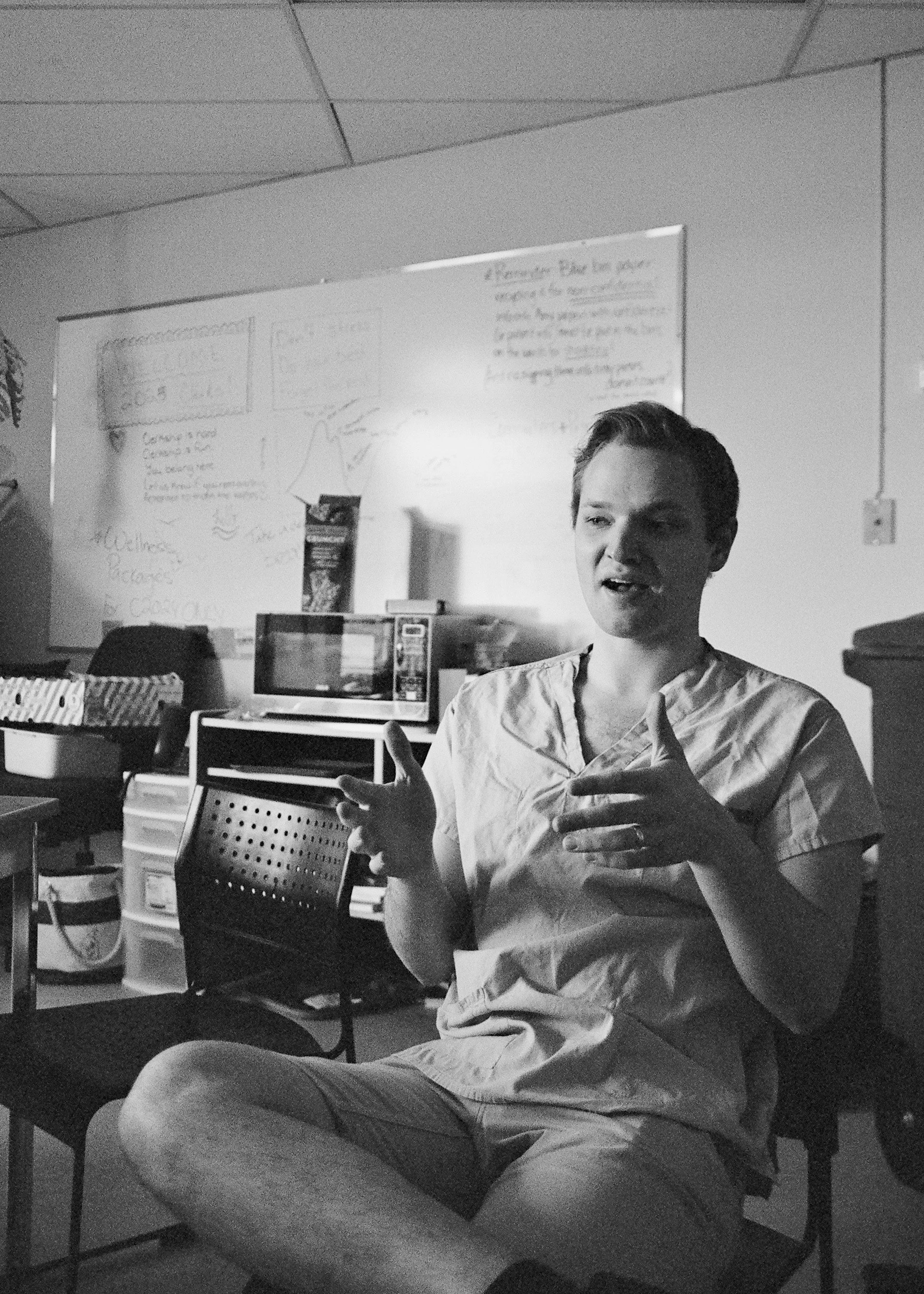
“Continuity of care allows us to be part of someone’s history.”
One of my most meaningful patient interactions was when I was on family medicine in [town], Saskatchewan. I encountered a man in his late 30s, and what I thought was interesting about caring for him was that it was first time that I was able to do follow up for a patient.
He had come in because he had noticed some blurred vision, and he also had some anxiety. He said that he had a family history of anxiety and diabetes, as well. In my mind, I'm thinking that there’s a chance of this being diabetes, which can present with blurry vision. I thought it was really interesting that this patient had thought of this and was able to connect the dots like that. We checked his glucose, and it came back super high. So, he did have diabetes. What was most meaningful about that encounter was not like the initial diagnosis, but the management of his diabetes. This patient seemed to be really, really interested in his own health. It was empowering to see that this individual was so engaged in their wellbeing and I really liked being a facilitator in that conversation. He seemed to know a lot and I liked that I was able to provide some more information that he didn't have. I haven't been able to follow up with a lot of patients after I've ordered all these investigations, and this was the first time that I was able to really see a longitudinal relationship. I just thought it was really beautiful, that we're able to conduct a history and physical, then order investigations, and now can start with a management plan a week later. I have a lot hope for this guy and for his diabetes.
You’re talking to me a lot about continuity of care. What are your thoughts on continuity of care, and why do you think that's so important as a physician? Because that's a big commitment.
I don't think that we can discuss patients’ their health in isolation. Humans are not alive just for the hour that we see them. They are alive for all the many years before and after that we see them. As physicians, I think one of the greatest things that we can engage in is being a part of the stories that patients need. I've really enjoyed stories all throughout my life, like, mythology, history, and, and I think that continuity of care allows us to be part of someone's history. I think that can be really, really meaningful because not everyone is going to be recorded in history textbooks and have their story told to people across the globe, but that doesn't mean that those stories aren't meaningful. They’re very meaningful for that individual. They're very meaningful for the people that are involved around them. Being able to understand humanity in the microcosm of all these little stories, and then having the privilege of being a part of so many stories as a physician and in many ways, being a beneficial part to these patients’ stories is a privilege that many other individuals can't experience that their life. For me as well, I think about my own personal history with being part of the healthcare system, having leukemia as a child, and witnessing the impact that those physicians had on my life and my story. I can't directly pay back to the physicians who helped me, they live in The Netherlands and United Kingdom, but I feel like I have a duty to pay forward what they did for me. As physicians, I think that we have the ability to make a lasting impression in people's minds and memories. Ultimately, we help them when we take the time to understand them as individuals and to try to be involved in their story rather than just their symptoms.
More Conversations in TCL
-
![]()
“We’re trying to save lives. Sometimes you just can't do that.”
-
![]()
“We’re in a failing system.”
-
![]()
“I remember hearing her scream.”
-
![]()
“It was sad to see what he knew to be true was slipping away.”
-
![]()
“We would talk about coffee shops, and the vampire diaries, and just normal mundane teenager things.”
-
![]()
“She introduced me to her daughter and said, ‘This is my friend. He’s been listening and helping so much.’”
-
![]()
“If we're grieving someone, that means that there was a connection there.”
-
![]()
“The weather was beautiful. You truly couldn't have asked for a more perfect day.”
-
![]()
“It felt so weird to be stitching him back up when all he wanted was to leave this world".”
-
![]()
“I didn’t realize how slippery babies were.”
-
![]()
“After all the textbooks, after all the knowledge, there will always be unpredictable things.”
-
![]()
“It’s amazing and barbaric at the same time.”
-
![]()
“Parents are good advocates and just know their children best.”
-
![]()
“Continuity of care allows us to be part of someone's history.”